
Tire Blowout While Driving: What to Do to Stay Safe
Pulse Roadside Services Team
22 Apr 2026
6 min read
A tire blowout is not the same as a slow flat. A flat sneaks up on you over a few miles. A blowout is instant — a bang, a violent pull to one side, and a car that suddenly wants to leave its lane. On a DFW freeway doing 70 mph, that's a genuinely dangerous moment. But drivers survive blowouts every day, and the difference almost always comes down to what you do in the first five seconds.
At Pulse Roadside Services, flat tires are one of our most common calls across Arlington and the Mid-Cities — and a lot of them start as high-speed blowouts on the freeway. Here's how to handle one.
Why Blowouts Happen So Often Here
The DFW corridor is hard on tires. Two things stack up against you:
- Road debris. The high-traffic stretches of I-20, I-30, and Highway 360 collect shredded truck retreads, dropped hardware, and construction litter. Hit a sharp piece at speed and a tire can let go instantly.
- Texas pavement heat. In the summer, asphalt on these freeways gets brutally hot, and heat is a tire's enemy. An underinflated or worn tire flexing on scorching pavement builds up internal heat until the structure fails — which is why blowouts spike in the hottest months.
Add a fully loaded car heading to the lake or the airport, and you've got the exact recipe for a summer blowout.
What to Do the Moment a Tire Blows
Your instinct will be to slam the brakes. Don't. Hard braking during a blowout shifts weight off the bad tire and can spin the car. Do this instead:
- Grip the wheel firmly with both hands and keep the car pointed straight. The car will pull toward the blown tire — steer gently against it, don't jerk.
- Ease off the gas. Let the car slow down on its own. No sudden throttle, no sudden braking.
- Stay in your lane until the car is stable and slowing. Fighting to change lanes mid-blowout is how people lose control.
- Turn on your hazard lights so traffic around you knows something's wrong.
- Once you're under about 30 mph, brake gently and steer toward the right shoulder or the nearest exit.
- Get as far off the road as you safely can — past the white line, onto the shoulder or an exit ramp, ideally somewhere flat and away from live lanes.
The whole sequence is about staying smooth. Slow, deliberate inputs keep the car under you.
Don't Drive Far on a Blown Tire
Once you're stopped, it's tempting to limp to the next exit or "just get home." On a fully blown tire, resist it. Driving on the rim destroys the wheel, can catch and pull the car sideways, and throws rubber and metal into traffic behind you. A few hundred feet to clear a dangerous spot is one thing — miles is not worth it. Get to a safe shoulder, then call for help.
If you're stopped on a narrow shoulder on I-30 or Highway 360 with traffic screaming past, the safest place is usually inside your vehicle with your seatbelt on, especially if you can't get well clear of the lanes. Don't stand between your car and moving traffic to inspect the damage.
When Pulse Changes Your Spare — and When It's a Tow
Call 1-877-477-8573 and tell us where you are and what happened. From there it usually goes one of two ways:
- We install your spare. If you've got a good spare (and a lot of newer cars only carry a compact "donut"), our technician can safely jack the car, mount the spare with proper torque, and get you moving to a tire shop — even on a tight freeway shoulder, positioned so both you and our tech stay protected.
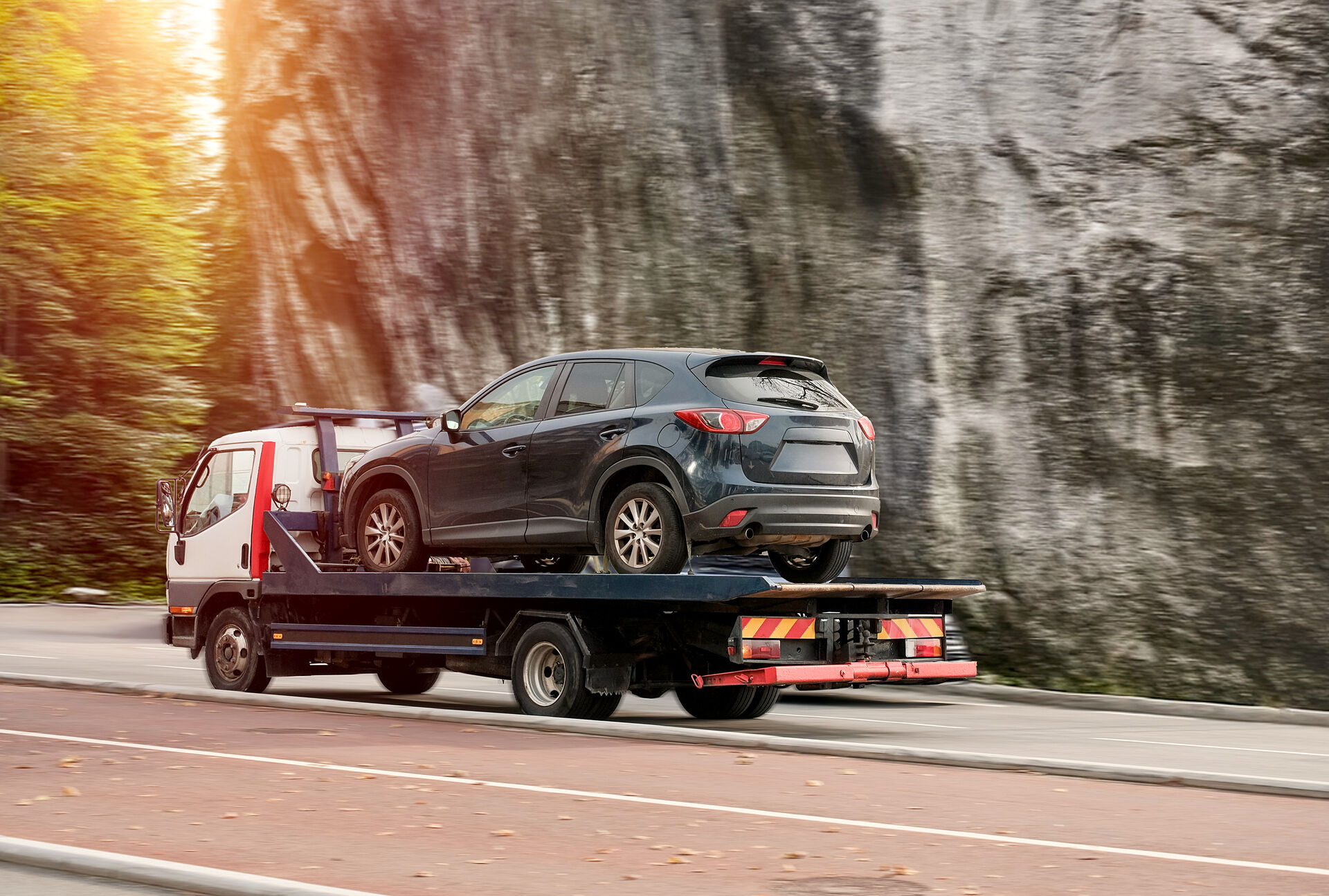
- We tow instead. If there's no spare, the spare's also flat, the wheel or suspension took damage, or the shoulder is simply too dangerous to work on, the honest call is a light roadside tow to a shop or a safe location. We'll tell you straight which one you're looking at.
Prevent the Blowout in the First Place
Most blowouts are avoidable with two habits:
- Check your tire pressure — especially before summer. Set it to the number on the sticker inside your driver's door jamb, not the max on the tire sidewall. Check it cold, and re-check when a Texas heat wave rolls in. Underinflation is the single biggest cause of heat-related blowouts.
- Watch your tread and age. Run a quick penny test, look for uneven wear or cracking on the sidewalls, and remember that old tires fail even with decent tread. If a tire looks tired, replace it before a road trip.
When We're Here
Whether you're on the shoulder of I-20 near Arlington, stuck on 360 through Grand Prairie, or pulled off Highway 183 in the Mid-Cities, Pulse Roadside Services is here Sunday through Friday, 6 AM to 11 PM (closed Saturdays).
Blew a tire? Get to safety first, then call 1-877-477-8573 or request service online — and let a local team that knows these freeways get you back on the road.