
What to Do After a Car Accident: A Complete Checklist
Pulse Roadside Services Team
30 May 2026
6 min read
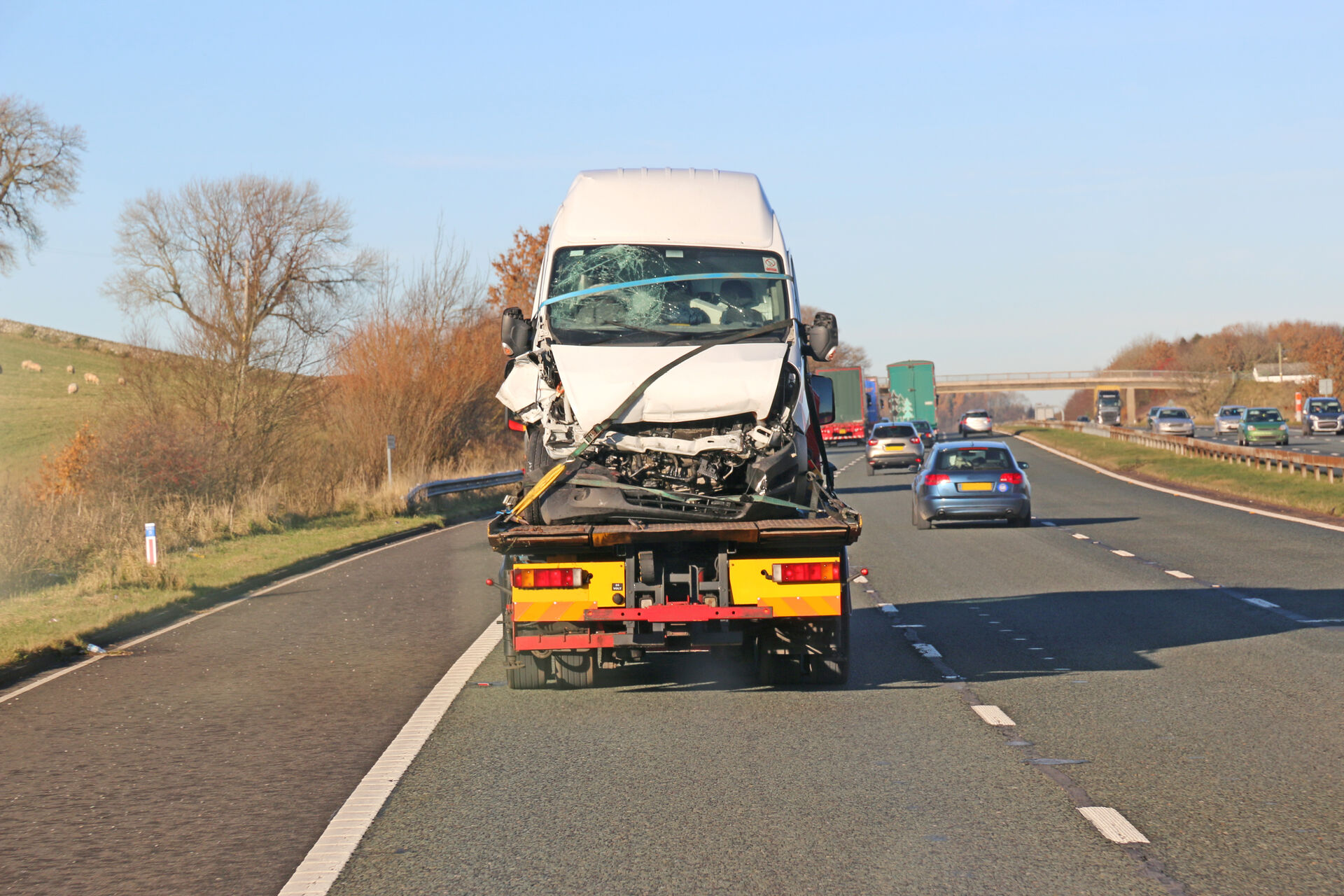
A minor collision on a packed Metroplex freeway happens fast: brake lights on I-30, a merge gone wrong on Highway 360, a rear-end tap in stop-and-go traffic on Loop 820. Your heart is pounding, traffic is still flying past, and it's hard to think straight. Having a plan ahead of time is what keeps a small accident from becoming a dangerous one.
Here's a clear, practical checklist for DFW drivers — followed by how Pulse Roadside Services can help once the immediate scene is handled.
First: Get Yourself and the Car to Safety
The single most dangerous thing after a wreck on a Texas freeway is standing near fast-moving traffic. Your first job is to reduce that danger.
- Turn on your hazard lights immediately. Let the traffic behind you know something is wrong.
- Check yourself and your passengers for injuries. If anyone is hurt, don't move them unless they're in immediate danger — call 911 first.
- Call 911 if there are injuries or the vehicles are blocking traffic. In Texas, call the police for any crash involving injury, death, or a blocked roadway. An officer's report also helps later with insurance.
- If the vehicles are drivable and the damage is minor, move them out of the travel lanes. Pull onto the shoulder, a frontage road, or a nearby parking lot. On a high-speed interchange like 360 or Loop 820, a car sitting in a live lane is a serious hazard — get it clear if you safely can.
- Stay behind a barrier if you can. If you have to be out of the car, get away from moving traffic — behind a guardrail or well off the shoulder, not standing between the vehicles.
Next: Document the Scene
Once everyone is safe and traffic risk is under control, gather the details while they're fresh.
- Exchange information with the other driver. Get their name, phone number, insurance company and policy number, driver's license, and license plate. Share yours in return.
- Take photos. Capture all vehicle damage, the position of the cars, license plates, street signs or exit numbers, and the overall scene from a few angles.
- Get witness info if anyone stopped. A name and phone number can matter later.
- Note the location and time — the highway, nearest exit or cross street, and direction of travel.
- Notify your insurance company. Most insurers let you start a claim from your phone right there or shortly after.
A quick, honest note: Pulse is a roadside-assistance company, not a lawyer, insurer, or body shop. This checklist covers general safety steps — for legal or insurance questions specific to your situation, talk to your insurer or an attorney.
Then: Get the Vehicle and Yourself Off the Road
Even after a "minor" accident, a car isn't always safe to keep driving. A bumper rubbing a tire, a headlight knocked out after dark, a slow leak from a curbed wheel, or a battery jarred loose — these are exactly the situations where you don't want to gamble on limping home across the Metroplex.
That's where Pulse Roadside Services comes in.
How Pulse Helps After the Checklist
We're the step between "the scene is clear" and "I'm actually back on my way." Here's what we do:
- Flat tire assistance — if the incident left you with a flat or a curbed wheel, we'll swap on your spare so you're not driving on a compromised tire.
- Jump starts & battery support — a hard stop can jar battery connections loose; we'll get you started again.
- Light roadside towing — if a drivable-but-unsafe car needs to come off a dangerous stretch of freeway, we can move it a short distance to a safer spot.
- Lockout and fuel help — for the smaller headaches that pile on after a rough day.
And here's what we don't do, so you know exactly what to expect: we're not a body shop, a tow yard, an insurance company, or a heavy-recovery operation. For major collision towing, storage, or repairs, you'll want a collision center or a heavy-duty wrecker. What we're great at is getting a drivable car — and you — off a fast, dangerous road and back moving after a minor incident.
When to Call Us
If you've handled the scene and just need to get a battered-but-drivable car somewhere safe, or the incident left you with a flat or a dead battery on Highway 360, I-30, Loop 820, or anywhere across Arlington, Fort Worth, the Mid-Cities, Grand Prairie, and Irving, we're here Sunday through Friday, 6 AM to 11 PM (closed Saturdays).
Need a hand right now? Call 1-877-477-8573 or request service online, and let a local team get you the rest of the way home.